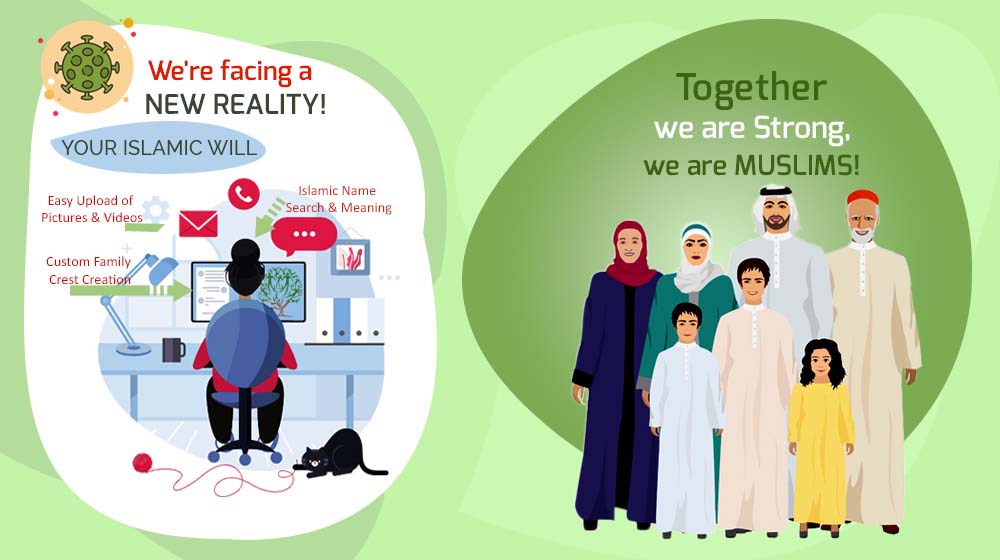
Picture a nation as a vast wall, built brick by brick from millions of individual households. Every crack in a single brick weakens the structure around it. This is how families work within a society—not as isolated units, but as the load-bearing elements of something much larger.
Raising a disciplined, harmonious family isn't just a personal aspiration tucked away in private life. It carries real civic and spiritual weight, because whatever habits, emotional patterns, and values take root at home eventually shape the character of the generation that follows.

Mutual Trust Between Spouses
Everything in a stable home traces back to the relationship between husband and wife. And that relationship, in turn, rests on three things holding steady together.
First, there's fidelity—the quiet security that comes from knowing your partner remains faithful even when you're apart. Then there's confidence in one another, which matters more than people often realize: when suspicion isn't draining the relationship, that same energy can go toward actually nurturing the marriage and raising children well. Finally, affection needs to stay focused within the marriage itself, protected from the pull of outside distractions.
Without this trust, tension doesn't stay contained between two people. It seeps into everything else, leaving children to grow up in a home that feels anxious rather than safe.
The Three Pillars of Household Harmony
A well-balanced home tends to rest on three relationships working in concert.
There's the bond between spouses, built through care and mutual respect. There are the ties of kinship—what's traditionally called
silah-i rahm—the ongoing effort to stay close with siblings and extended family rather than drifting into estrangement. And then there's the way parents are treated as they age: with patience, humility, and genuine gratitude. Few things are held in higher regard than gentleness toward aging parents.
"Showing kindness, speaking gently, and maintaining humility before aging parents preserves the moral heart of the family across generations."
Structure and Clear Leadership
No institution runs well with leadership pulling in different directions—not a company, not any organization, and certainly not a household. Clarity of roles is what keeps things stable.
So within the family, responsibility for leadership, security, and financial protection is entrusted clearly, not divided. This isn't about wielding authority for its own sake. It's about carrying weight—making sure the household is maintained, that everyone is safe, and that harmony doesn't happen by accident but by someone actively holding it together.
Protecting Modesty and Home Sanctuary
A peaceful home needs boundaries, and modesty functions almost like a set of protective walls around personal dignity and family privacy.
That means keeping the intimate details of life within the home rather than exposing them outward. It means carrying oneself with dignity, in dress and in conduct, as a way of guarding personal boundaries. And it means treating the home itself as a refuge—a space shielded from outside influences that might chip away at the trust built inside it.
When dignity and modesty are genuinely honored, the relationships inside that home stay grounded, honest, and protected from erosion.
Responsibility, Generosity, and Timely Commitments
A home doesn't sustain itself—it takes real sacrifice, and often that falls most heavily on whoever leads the family.
This might mean shouldering the full financial weight of the
mahr, everyday living costs, and the needs of dependents, without letting that burden fall unfairly on others. It might mean encouraging young people to marry without delay, once they're ready, rather than letting extravagant customs turn marriage into something out of reach. And it extends outward too, into the wider community: making sure widows, divorcees, and anyone starting over has a supportive network to lean on, so that no one is left to rebuild a family life entirely alone.
Key Takeaway
Every thriving society starts, quietly, inside its homes. When spouses trust each other, when parents are honored, when roles are clear and boundaries are respected, families become places where the next generation can grow up steady, confident, and rooted in strong moral character.